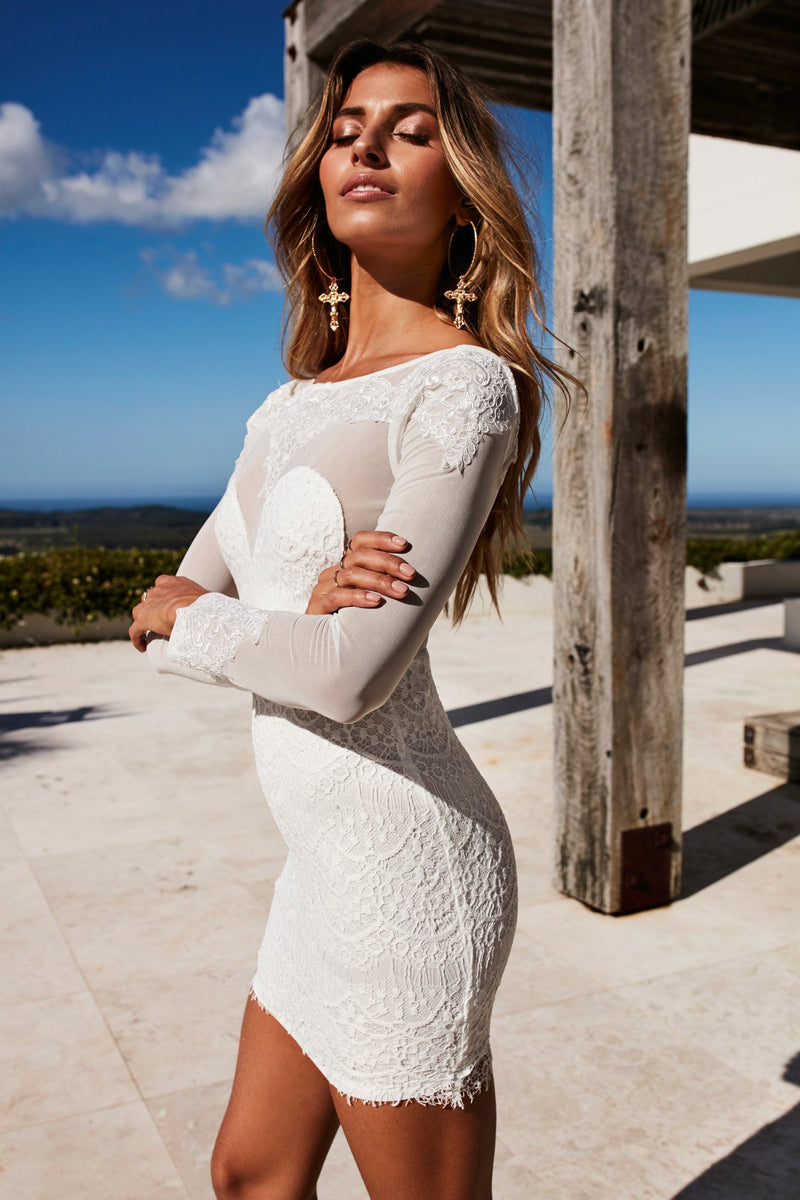
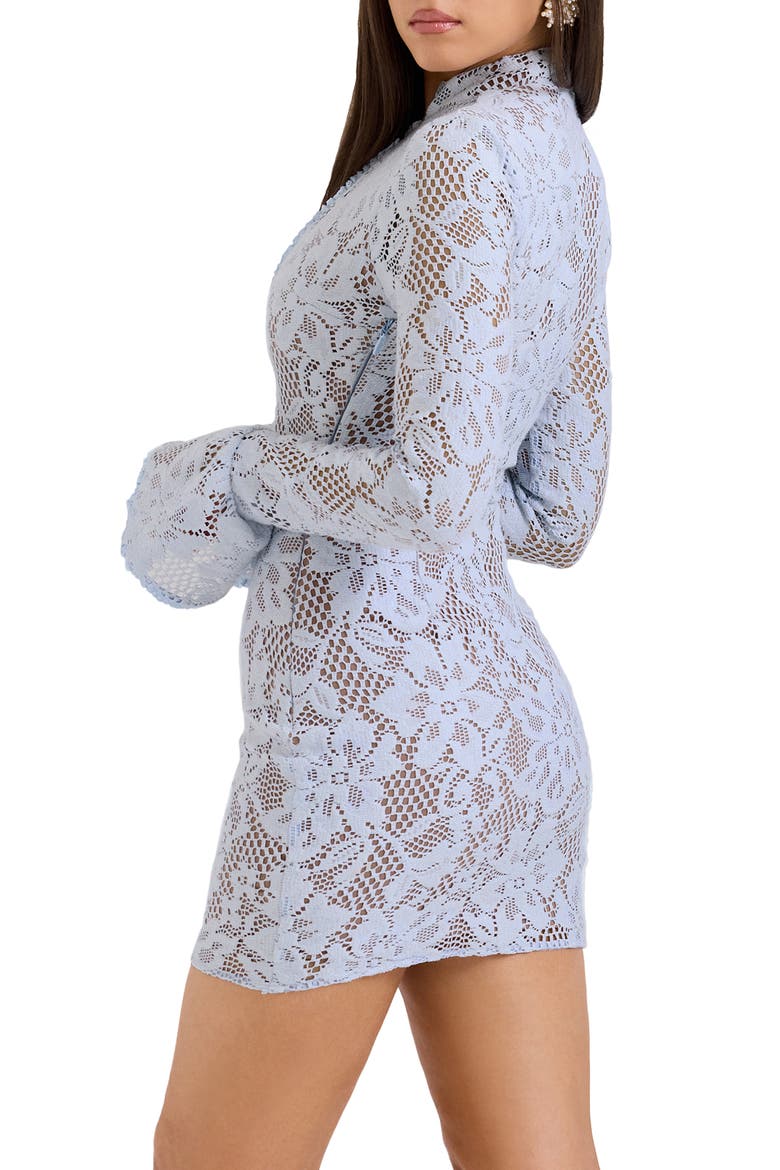
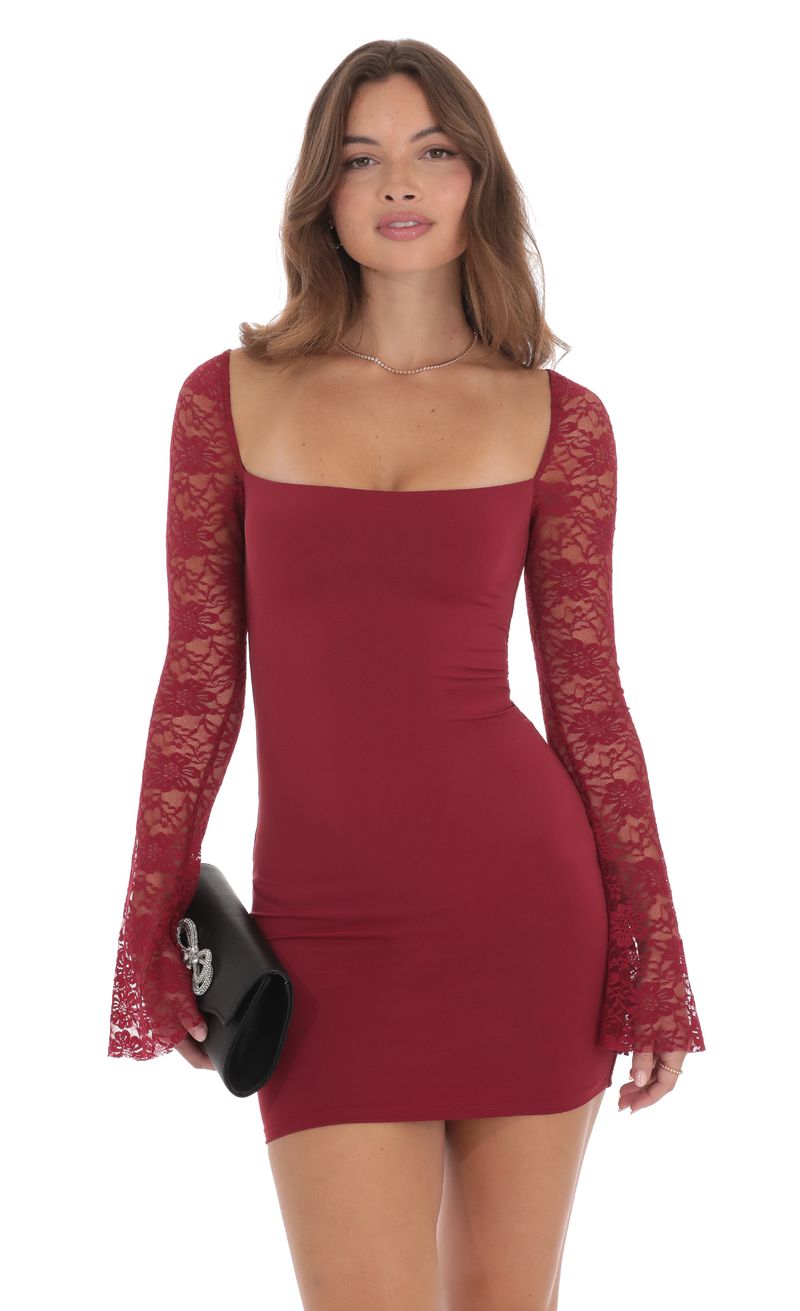
Formal Dress Colors Classic formal colors convey timeless elegance: Traditional Choices: Black for universal sophistication and slimming effect Navy blue for refined elegance Deep jewel tones like emerald, ruby, and sapphire Metallic shades including gold, silver, and bronze Modern Formal Options: Rich burgundy and wine shades Elegant champagne and blush tones Deep forest green for nature-inspired elegance Vintage teal and peacock blues Semi-Formal Dress Colors Semi-formal events allow broader color experimentation: Versatile Selections: Soft pastels for spring and summer events Vibrant colors like coral, fuchsia, and cobalt Floral prints and artistic patterns Lighter neutrals including beige, taupe, and cream Seasonal Considerations: Winter: burgundy, plum, forest green, metallics Spring: blush pink, lavender, mint, soft yellow Summer: coral, turquoise, bright white, tropical prints Fall: rust, mustard, olive, burnt orange Colors to Approach with Caution Certain colors require special consideration: White or ivory at weddings (traditionally reserved for the bride) All-black at joyful celebrations unless specified Extremely bright neon shades for formal events Colors that clash with the venue or event theme Budget-Friendly Shopping Tips Looking elegant doesnt require breaking the bank
Reheat : Leftover chicken dressing can be cooked in a 325 oven for 15-20 minutes or until heated through or place in a skillet and cook over medium heat, turning to warm from both sides until heated through.
Step 2: Add 2 tablespoons of vinegar (I bought a wonderful unfiltered organic White Wine Vinegar, but use any white, red or champagne vinegar you like)
She hooks locks of hair behind her studded ear, flicks her eyes, and even the corner of her mouth quirks in a small way